
National Martini Day - June 19, 2026
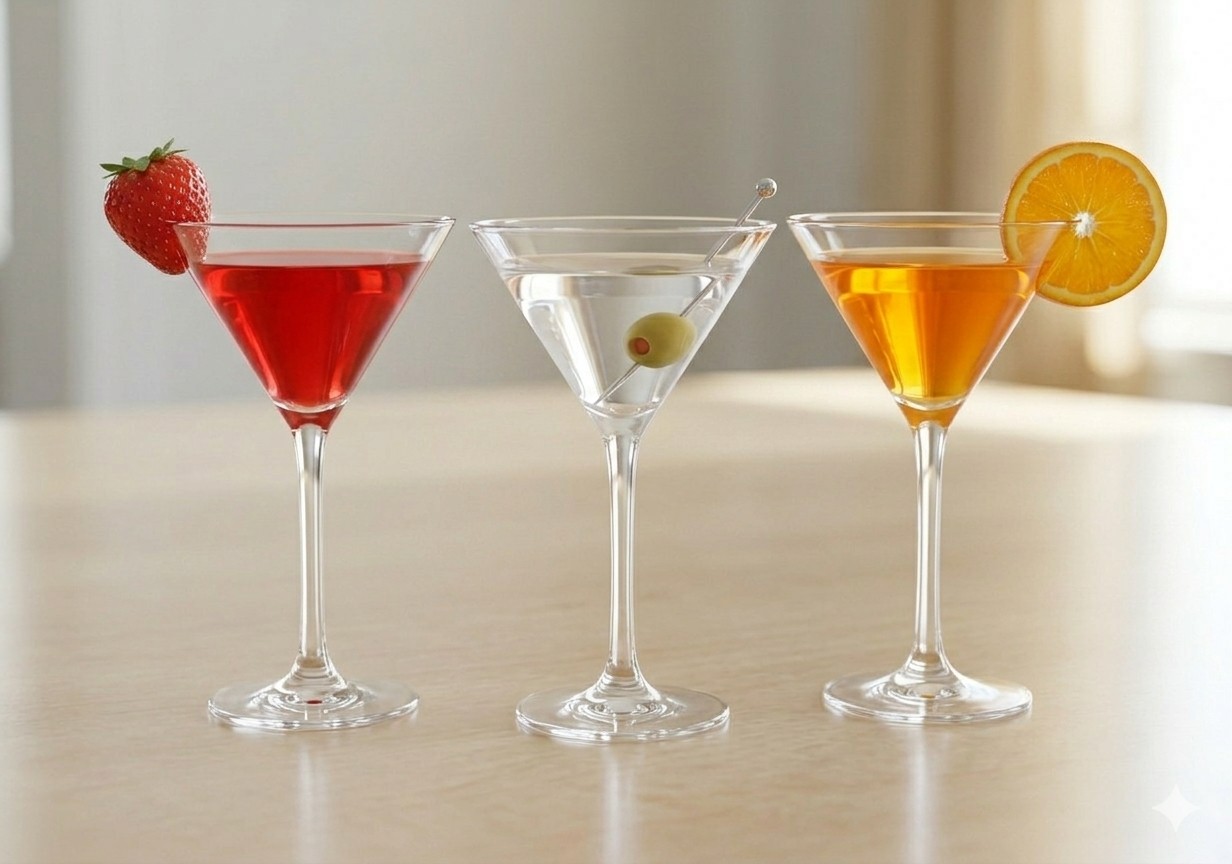
National Martini Day takes place on June 19, set aside for a drink that has spent well over a century accumulating opinions, rituals, and devoted practitioners who take its preparation seriously. The martini is remarkable less for its complexity than for the cultural weight it carries: a chilled glass, two or three ingredients, and a set of conventions that people feel strongly enough about to argue over in print. It arrived at its modern form gradually, absorbing influences from Victorian bartenders, Prohibition-era speakeasies, and mid-century Hollywood in roughly equal measure.
National Martini Day History
Martinis trace their disputed origins to the latter half of the nineteenth century, when bartenders in both California and New York were experimenting with gin-based cocktails that mixed the spirit with vermouth and bitters in varying proportions. One of the earliest contenders is the Martinez, a drink documented in Jerry Thomas's 1887 bartending guide that combined Old Tom gin, sweet vermouth, maraschino liqueur, and bitters into something noticeably sweeter than what the modern palate would recognize. National Martini Day marks the full arc of that evolution, from those sweet Victorian-era predecessors to the bone-dry, ice-cold version that became the defining image of twentieth-century sophistication. The gradual shift toward drier recipes, using less vermouth and moving from sweet gin to the drier London Dry style, happened incrementally through the early 1900s as both gin production and drinking tastes changed.
The martini's cultural ascent accelerated sharply through Prohibition, when the relative simplicity of bathtub gin made it one of the more practical cocktails to produce illicitly, and speakeasies served their own interpretations under whatever name seemed appropriate. By the time legal drinking resumed in 1933, the martini had established itself as the cocktail of choice for a particular kind of American self-image: cosmopolitan, cool, and slightly above ordinary concerns. The addition of an olive as garnish, the specific geometry of the chilled glass, and the ritual of the shake versus the stir all accumulated into a set of conventions that carried enormous social weight. Winston Churchill famously claimed that the ideal dry martini required nothing more than glancing at a bottle of vermouth while pouring the gin, a quip that reflected how far the drink had moved from its sweeter origins.
The vodka martini introduced a significant fault line in the drink's history, gaining mainstream popularity through the mid-twentieth century and cemented into cultural consciousness by James Bond's preference for his version shaken rather than stirred. Purists objected strenuously, arguing that vodka produced a cleaner but ultimately blander result that missed the botanical complexity gin brought to the equation. The espresso martini, invented by London bartender Dick Bradsell in the 1980s, opened yet another chapter by treating the martini format as a loose framework rather than a strict recipe, inspiring dozens of variations that retained the glass and the structure while replacing the core ingredients entirely. What began as a simple gin-and-vermouth combination has become a category of its own, broad enough to contain multitudes.
Why National Martini Day Matters
An Invitation to Develop Taste
The martini is one of the few cocktails where the drinker's preference evolves measurably over time, typically moving from sweeter and more diluted versions toward drier and colder ones as familiarity with the drink deepens. Tracking that evolution in your own palate is a genuine form of sensory education that transfers to an appreciation of wine, spirits, and fermented flavors more broadly.
The Glass Has Its Own Logic
The distinctive coupe or V-shaped glass is not a stylistic affectation but a functional choice that keeps the drink cold by minimizing the surface area exposed to warm air and eliminates the need for ice in the glass itself. Drinking from it changes the experience in ways that are difficult to articulate but immediately perceptible, shifting the pace and the ritual of consumption. The form and the function of a martini are more integrated than they appear.
A Cocktail That Demands Precision
Very few drinks reveal the quality of their ingredients and the skill of their maker as immediately as a martini does. With only two or three components and no fruit juice or sweetener to provide cover, every decision about temperature, dilution, gin selection, and vermouth ratio lands directly on the palate without distraction.
How to Celebrate National Martini Day
Host a Comparative Tasting
Invite a small group and prepare three versions side by side: a classic gin martini, a vodka martini, and one contemporary variation of your choice. Tasting them in sequence against each other produces observations that drinking any single version in isolation never would. The conversation that follows tends to be more interesting than most cocktail discussions precisely because the differences are so clear and so immediately debatable.
Adjust the Vermouth Ratio
Most people who claim not to like martinis have only encountered versions made with far too little vermouth, which produces a drink that is simply very cold gin with no structural complexity. Try a fifty-fifty ratio of gin to dry vermouth at least once, using a fresh bottle of vermouth stored in the refrigerator, and compare it against the drier version to understand what vermouth actually contributes.
Choose Your Gin Deliberately
Rather than reaching for whatever is available, spend time selecting a gin whose botanical profile genuinely interests you and build the martini around it. London Dry styles emphasize juniper and citrus peel; contemporary gins lean toward floral or herbal notes that produce a completely different result in the glass. The gin is the entire flavor of a dry martini, so treating it as a variable rather than a constant opens up the drink considerably.
Facts About Martinis
The Vermouth Question
Dry vermouth is a fortified wine that oxidizes quickly once opened, meaning a bottle kept at room temperature for more than a few weeks produces a dramatically inferior martini; refrigerating it after opening and replacing it within a month makes a measurable difference.
Bond's Error
James Bond's preference for a shaken martini is considered a mistake by most serious bartenders, since shaking introduces small ice chips and excess water that dilute the drink and cloud its clarity, while stirring produces a silkier, more controlled result.
The Olive's Origin
The practice of garnishing a martini with an olive is thought to have begun in the early twentieth century at the Knickerbocker Hotel in New York, where bartender Martini di Arma di Taggia is also credited by some historians as an early developer of the modern recipe.
A President's Drink
Franklin D. Roosevelt was known for mixing martinis personally for guests at the White House, reportedly using a two-to-one gin-to-vermouth ratio with a dash of olive brine, a preparation that would now be classified as a dirty martini.
The Espresso Version
The espresso martini was created by Dick Bradsell at the Soho Brasserie in London in 1983, reportedly in response to a customer who asked for a drink that would wake her up and then get her drunk, a brief that the combination of vodka and fresh espresso addressed directly.
National Martini Day Dates
| Year | Date |
| 2026 | June 19 |
| 2027 | June 19 |
| 2028 | June 19 |