
National Peking Duck Day - January 18, 2027
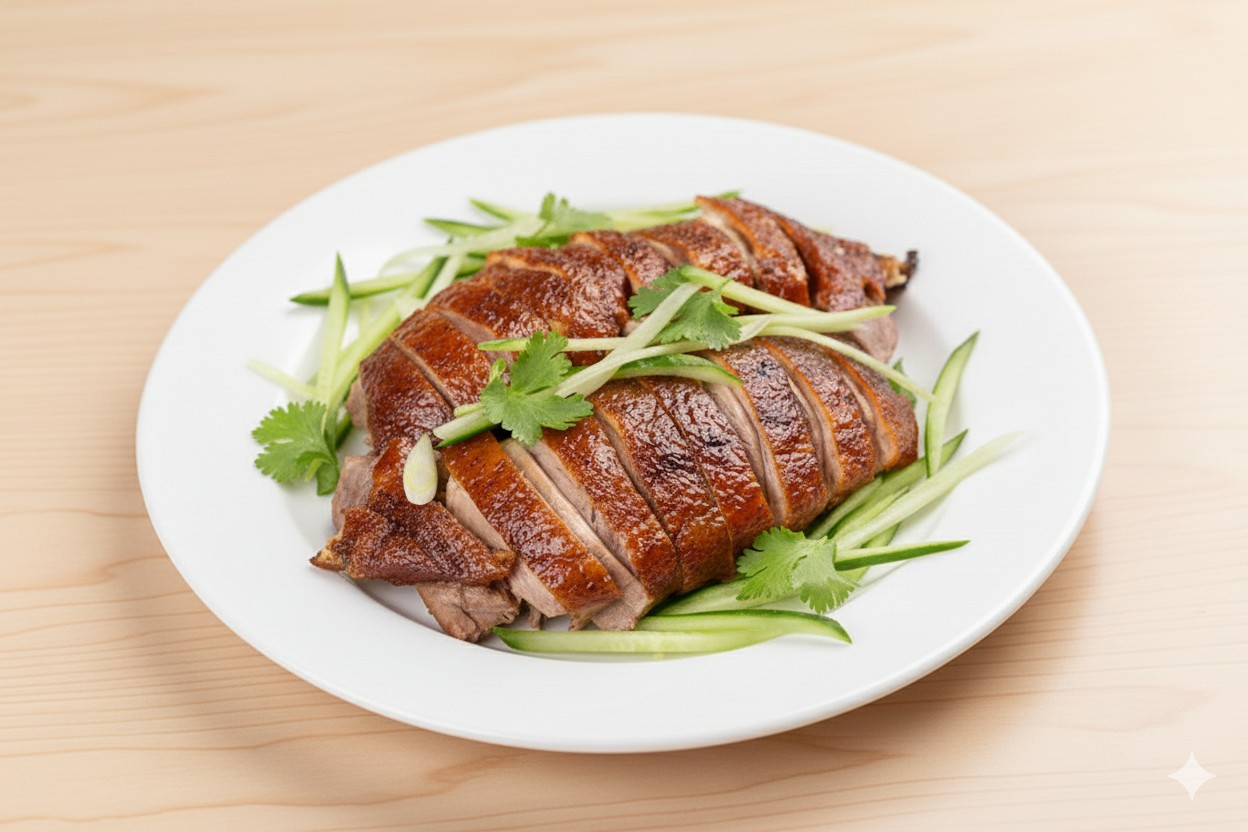
National Peking Duck Day falls on January 18 to passionately celebrate the exquisite artistry, centuries-old tradition, and irresistible allure of Peking duck, China's most iconic and beloved national dish, renowned for its impossibly crispy, glossy, amber-hued skin, succulent meat, and the dramatic, theatrical presentation that makes every serving a memorable event. This special observance honors a culinary masterpiece whose preparation demands precision, patience, and reverence, transforming a simple duck into a luxurious experience that balances rich flavors, contrasting textures, and cultural heritage in every bite.
National Peking Duck Day History
The origins of Peking duck trace back to the Yuan Dynasty (1271–1368), when Kublai Khan established his capital in what is now Beijing and court chefs developed sophisticated roasting techniques for waterfowl, creating an early version of the dish that emphasized crispy skin and tender meat through controlled cooking methods. These imperial preparations laid the foundation for the elaborate process that evolved over centuries.
National Peking Duck Day honors this ancient culinary legacy on January 18, a date chosen to spotlight the dish's enduring prestige and widespread popularity, though the modern observance itself emerged in contemporary times to celebrate Chinese gastronomy. The holiday reflects how a royal recipe became a global icon.
By the Ming Dynasty (1368–1644), the dish had gained prominence in Beijing, where imperial kitchens refined the technique of hanging ducks vertically in cylindrical ovens, allowing fat to drip away while the skin crisped evenly under intense heat. The use of maltose glaze and air separation between skin and meat became standard, producing the signature shatteringly crisp exterior that distinguishes Peking duck from other roasted poultry.
The Qing Dynasty (1644–1912) further elevated Peking duck, with restaurants near the Forbidden City specializing in the dish and serving it in a theatrical manner: chefs slicing the duck tableside to showcase the perfect skin-to-meat ratio, accompanied by thin pancakes, hoisin sauce, scallions, and cucumber. This presentation style turned the meal into a performance of hospitality and craftsmanship.
In the 20th century, Peking duck spread internationally through Chinese diaspora communities and tourism, with restaurants adapting the recipe while striving to maintain traditional methods. The dish's global fame grew as diners experienced its unique combination of crispy skin dipped in sugar, tender meat wrapped in pancakes, and a final soup made from the bones, neck, wings, and feet, ensuring nothing went to waste and honoring the dish's complete utilization of the bird.
Why National Peking Duck Day Matters
Unmatched deliciousness deserves its moment
Peking duck stands as one of the world's most celebrated dishes for good reason: the contrast between shatteringly crisp, lacquered skin and juicy, flavorful meat creates a sensory experience that is both luxurious and deeply satisfying. The day gives everyone permission to indulge in this masterpiece, whether at a renowned restaurant where chefs perform tableside carving or through a homemade attempt that captures its essence, reminding us how extraordinary food can elevate any occasion and bring pure pleasure to the table.
Tradition carries profound cultural weight
The recipe's lineage stretching back to imperial China under Kublai Khan imbues every serving with historical significance, connecting modern diners to centuries of culinary refinement and courtly elegance. National Peking Duck Day highlights this continuity, encouraging appreciation for dishes that preserve ancient techniques while adapting to contemporary tastes, fostering respect for Chinese gastronomic heritage and the patience required to achieve perfection in preparation and presentation.
Culinary exploration expands horizons
While Peking duck shines as the centerpiece, the day also inspires broader discovery of Chinese cuisine, from delicate dumplings and savory wontons to regional specialties that showcase diverse flavors and techniques. Sampling complementary dishes alongside Peking duck enriches understanding of China's vast culinary landscape, encourages adventurous eating, and turns the celebration into an opportunity for cultural appreciation through shared meals and new taste experiences.
How to Celebrate National Peking Duck Day
Savor an authentic Peking duck meal
Visit a reputable Chinese restaurant specializing in Peking duck and order the full traditional experience: crispy skin with sugar dip served first, followed by thin pancakes filled with tender slices, hoisin and bean sauces, cucumbers, scallions, and garlic, concluding with a comforting duck bone soup. Watching the chef's skillful tableside carving adds theater and appreciation for the craftsmanship involved, making the meal a true celebration of flavor and tradition.
Admire the mastery of preparation
Dine at a restaurant where the duck is prepared and presented in classic style, observing the elaborate process that includes air-pumping for skin separation, boiling to tighten the skin, glazing with maltose, drying for 24 hours, and vertical roasting to render fat while crisping the exterior. This firsthand experience highlights the patience, skill, and precision required, deepening respect for the dish and turning the meal into an educational as well as delicious occasion.
Create your own interpretation at home
Attempt a simplified or creative version of Peking duck using available ingredients, perhaps roasting a whole duck with a honey glaze, separating skin from meat with air or boiling, and serving with pancakes, sauces, and fresh vegetables. While achieving restaurant-level crispness at home is challenging, the effort yields rewarding results and connects you personally to the dish's heritage, making the celebration even more meaningful through hands-on involvement.
Facts About Peking Duck
Yuan Dynasty Origins
Peking duck traces its roots to the Yuan Dynasty (1271–1368) under Kublai Khan, when imperial chefs developed sophisticated roasting techniques for waterfowl in Beijing.
Traditional Bird Selection
The White Beijing duck is slaughtered at 65 days old for ideal size, tenderness, and skin-to-fat ratio that produces the signature crispy exterior.
Intricate Preparation Steps
The duck is air-pumped to separate skin from meat, boiled to tighten the skin, glazed with maltose or honey, dried for 24 hours, and roasted vertically to render fat while crisping the skin.
Tableside Presentation
Chefs traditionally carve the duck at the table, serving crispy skin first with sugar dip, followed by meat wrapped in thin pancakes with hoisin sauce, scallions, and cucumber.
Complete Utilization
After carving, the remaining bones, neck, wings, and feet are used to make a flavorful duck soup, ensuring nothing is wasted and completing the traditional meal.
National Peking Duck Day Dates
| Year | Date |
| 2026 | January 18 |
| 2027 | January 18 |
| 2028 | January 18 |